
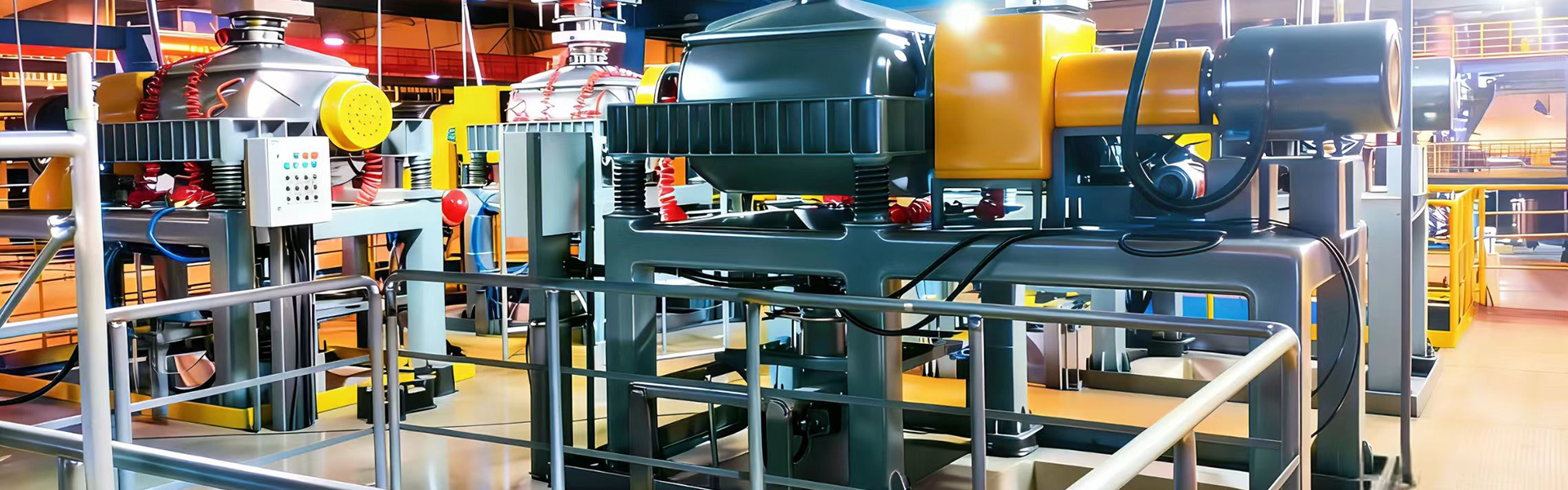
I. Instructions and Precautions for the Use of Horizontal Trough Type Mixer
Before use, a no-load test run should be conducted. Before the test run, the firmness of all connecting parts of the horizontal trough mixer, the oil level in the reducer and the integrity of the electrical equipment should be checked first. Then, close the main switch, connect the power supply and carry out the no-load test run.
2. The no-load test run requires item-by-item testing. Production can only be put into operation when no abnormal sounds, overheating of the bearing gear, or sudden increase in the temperature of the reducer are found.
3. During operation, if it is necessary to scrape the materials on the wall of the mixer trough, bamboo or wooden tools should be used. Do not use hands to avoid hand injury accidents.
4. If abnormal vibration or unusual sounds are detected during the operation of the horizontal trough mixer, the machine should be stopped immediately for inspection.
5. The load on the mixer should not be too large. Generally, the load of the motor is used for measurement. For a 380V motor, the heavy-load current during mixing should not exceed 6 amperes, which is considered normal. If the load is exceeded, the mixing capacity should be immediately reduced.
6. The shaft seals at both ends of the stirring paddle should be kept clean to prevent the material from turning black and deteriorating. There are square holes left on the outer ends of the mixing tank, which should be unobstructed. Do not let them be blocked to avoid the back-pressure effect, which may cause dirt to seep into the shaft center and cause the material in the tank to turn black and deteriorate.
7. Managers must be familiar with the technical performance, internal structure and the usage principle of the control structure of the horizontal trough mixer. During operation, one must not leave the workplace to prevent malfunctions that could damage machine parts, with the premise of ensuring safe production.
Ii. Maintenance Instructions for Horizontal Trough Mixer
Regularly inspect the machine parts, 1-2 times a month. The inspection items include whether the worm gear, worm, bearings, shaft seals and other moving parts rotate flexibly and their wear conditions. Any defects found should be repaired in time to ensure the normal operation of the trough mixer.

