
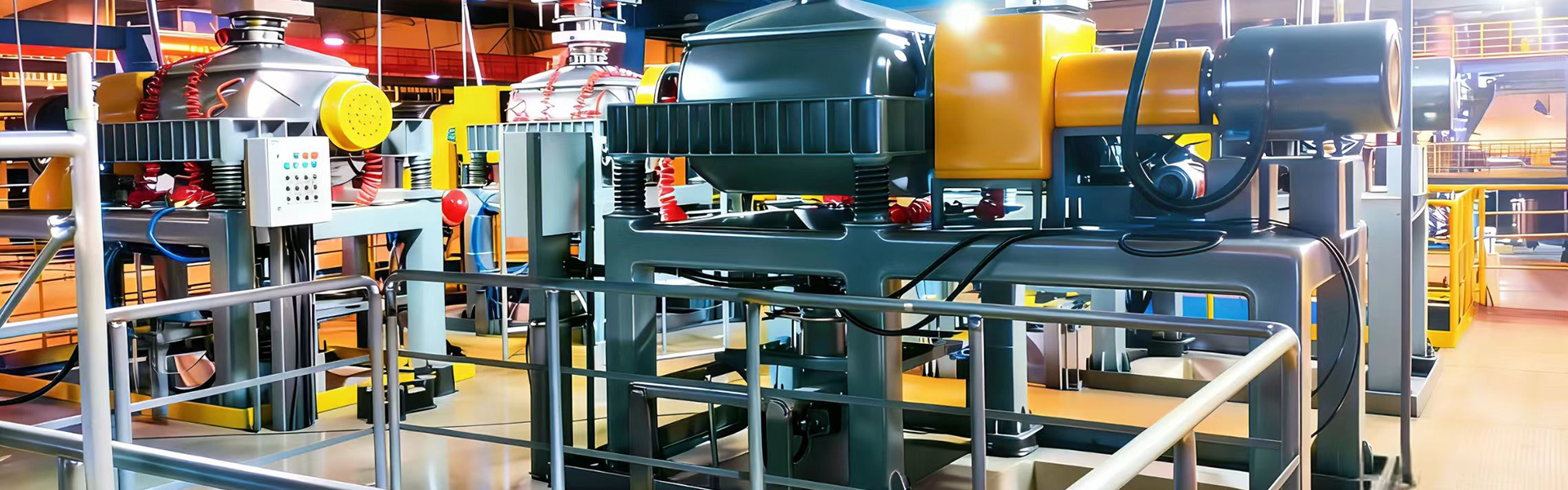
When choosing a mixer, it is necessary to understand its functional features. Therefore, the editor has sorted out a few points for your reference.
The mixer can be made of carbon steel, 304 stainless steel, 316L stainless steel, 321 stainless steel and other types of steel, and different materials can also be used in combination. When selecting materials for equipment, distinguish between those in contact with materials and those not in contact with materials. The surface treatment of stainless steel includes methods such as sandblasting, brushing, polishing, and mirror finishing, and can be respectively applied to different usage parts.
2. Reliable drive configuration: The mixer is equipped with drive devices of different powers and capabilities based on the nature of the materials, the starting method, and the process requirements. The double output reducer assembly box specially designed for loading the double helix conical mixer is custom-made by combining cycloidal pinwheels, gears and worm wheels and worm gears.
3. The excellent discharging device of the double helix conical mixer is equipped with a powder spherical valve or a star-shaped offset valve. The raised spherical surface of the powder spherical valve conforms to the running curved surface at the bottom of the spiral, greatly reducing the stirring dead zone and achieving a large discharge port area to ensure the residue of the discharged material. The spherical valve has excellent sealing performance for powder, liquid and even negative pressure conditions. The loading of the plum blossom offset valve enables simple operation, control of the discharging speed, and can be combined with a long spiral bottom support device. The drive of valves can be classified into three types: manual, pneumatic and electric.
4. The powerful auxiliary components of the double helix conical mixer, when equipped with a circulating medium jacket or a steam coil jacket, can achieve temperature control during the mixing of materials. The contact surface between the mixer cylinder and the materials can be coated with anti-corrosion, anti-adhesion and metal isolation coatings tailored to the properties of the materials. The stirring screw can be surfacing with wear-resistant alloy for use in working conditions with relatively high wear. When adding a small amount of liquid, a liquid spraying device should be configured, which is more conducive to the uniform dispersion and mixing of the liquid in the main material. The liquid spraying system is composed of three basic modules: pressure source, liquid storage tank and nozzle.

